

In a Dakar hospital, doctors see a cluster of pediatric patients with an unusual, rapidly progressing neurological syndrome. Local tests rule out known pathogens. The clock is ticking. The hospitalâs chief of medicine, Dr. Amina, is expert but isolated. The traditional path sending samples to the WHO, waiting weeks for results is a death sentence. This is a coordination crisis.
Activation: The Genesis Brief of Crisis
Dr. Amina, a Bseech user, doesn't send emails. She publishes a Crisis Brief on the platform. Using structured medical intent language, she details the symptoms, demographics, lab results (anonymized), and the urgent question: "Identify pathogen and propose initial treatment protocol". She tags it with vectors: pediatric neurology, virology, metagenomic sequencing, outbreak modeling, health ethics.
Assembly: The Self-Forming Diagnostic Archipelago
The platform's Serendipity Engine, trained on biomedical literature and past collaborations, ignites.
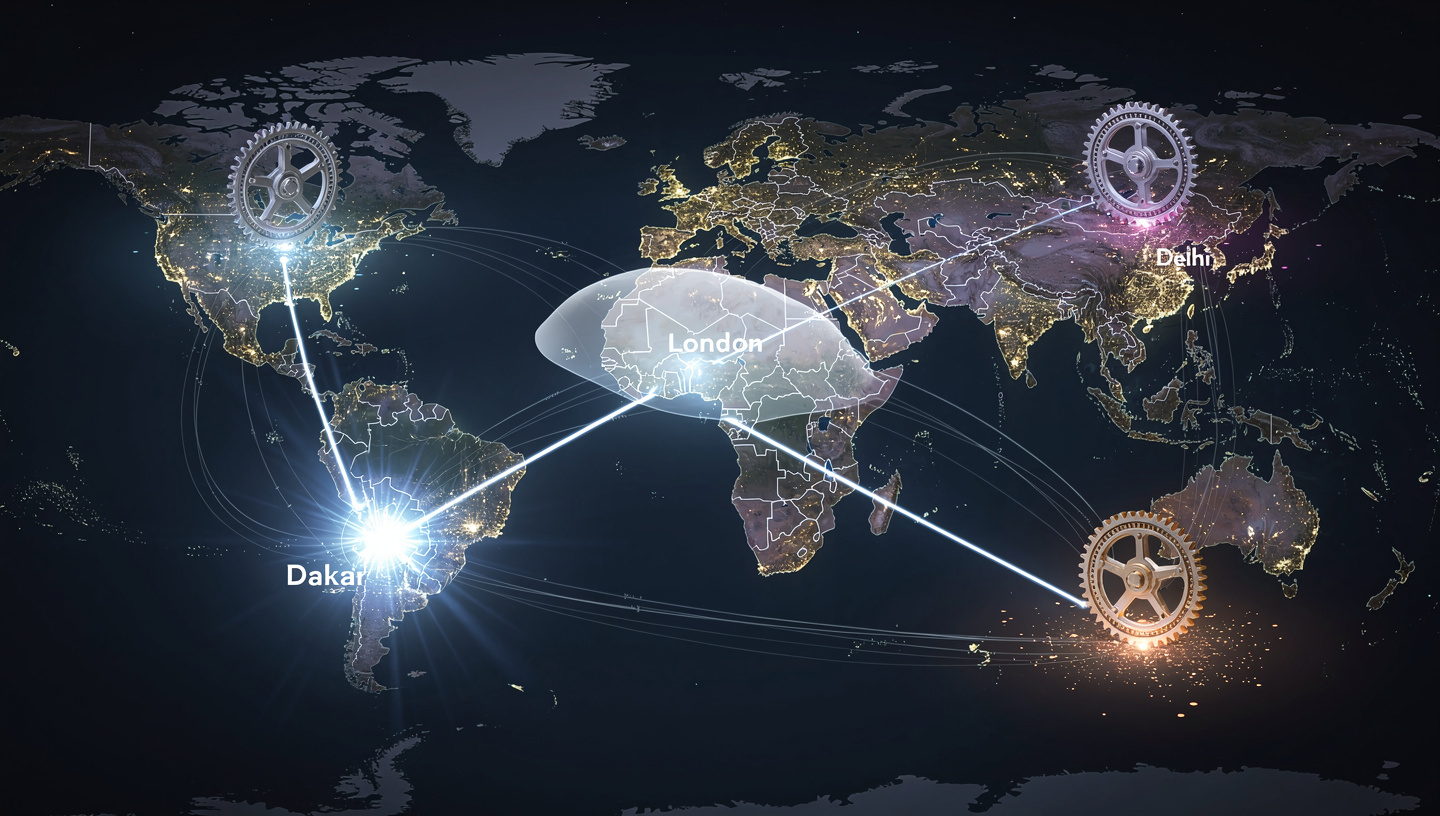
- In Delhi, Dr. Arjun, a world-leading neuro-virologist, receives a priority alert. His Unified Self shows 20+ verified diagnoses of rare encephalitis.
- In San Francisco, a bioinformatics team specializing in rapid pathogen discovery from sequenced data is flagged.
- In London, an expert in African health systems logistics sees the brief.
- Within the Dakar hospital network, a medical ethicist and a community liaison nurse are identified.
- Within one hour, these six individuals, strangers, receive a proposal to form the "Dakar-Delhi Diagnostic Archipelago." Dr. Amina, as brief author, is the de facto steward. With clicks, they accept a Crisis Retainer contract, granting temporary access to necessary data and defining communication protocols.
Execution: The Flow of Insight
The archipelago's workflow is seamless:
- Logistics: The London logistics expert immediately arranges a cold-chain courier for spinal fluid samples from Dakar to a partner lab in Berlin with the right sequencer, using pre-negotiated platform contracts.
- Analysis: Samples are sequenced. The SF team's analysis pipelines, triggered automatically by the platform upon sample scan, process the data in hours.
- Diagnosis: The data points to a novel arbovirus variant. Dr. Arjun cross-references this with historic regional data and confirms the likely vector: a specific mosquito whose range has recently shifted due to climate change.
- Action: The local nurse and ethicist work with Dr. Amina to craft a culturally appropriate public health message for immediate release, while the London expert sources and routes an available stockpile of a potentially effective antiviral to Dakar.
- All communication, data shares, and decisions are logged on the platform, creating a verifiable, transparent diagnostic timeline.
Resolution & Legacy: The Ripple of a Solved Problem
Within 72 hours, a targeted response is underway. The outbreak is contained. The archipelago doesn't just disband. It fulfills its Legacy Protocol:
- It authors a detailed clinical report, published openly and attached to every member's Unified Self.
- It codifies the "Novel Arbovirus Rapid Diagnostic Protocol", the specific steps and team structure and submits it to the platform's global health library.
- Each member receives powerful, verifiable attestations: "Key contributor to the containment of the Dakar Novel Arbovirus outbreak, 2024."
The Bseech Difference: A Study in Contrasts
- Traditional Model: Siloed experts, slow sample chains, proprietary data, published findings months later in a journal. Learning is slow.
- Bseech Model: A self-assembled, cross-disciplinary team operating in a unified information field with pre-cleared trust. The solution is found in hours, not weeks. The learning is instantaneously encoded into the platform's immune system.
- This case doesn't just document a success. It provides the genetic code for a new type of response organism. The next time a novel pathogen emerges anywhere, the platform can propose: "Instantiate a diagnostic archipelago using the proven Dakar-Delhi protocol". The case study is alive. It is a seed for future coordination.



Be the first to leave a comment.