

We've reached the limits of traditional trust. Five-star ratings are gamed, verified IDs prove existence but not character, and corporate brands implode overnight from ethical failures. The next frontier isn't building better products, it's engineering trust itself as a first-class, tradable asset.
Trust isn't a feeling, it's a transferable utility. At Bseech, we're not building a reputation system. We're building a trust graph, a dynamic, multi-dimensional map of how confidence flows between humans in specific contexts. This isn't a sidebar feature, it's our core infrastructure.
The Three Layers of Trust Engineering:
- Atomic Verification: The indisputable base layer. Did this action occur? Was this person present? We use cryptographic proofs and multi-party confirmation, creating a bedrock of "what happened."
- Contextual Reputation: The nuanced middle layer. A 5-star babysitter isn't automatically a 5-star financial advisor. Our system binds trust to capability vectors, preventing the dangerous over-extension of context-less praise.
- Propagated Confidence: The revolutionary top layer. If Alice trusts Bob implicitly for plumbing, and Bob cautiously endorses Chloe for electrical work, Alice can extend calculated, conditional trust to Chloe. Trust becomes a network effect, not a solitary island.
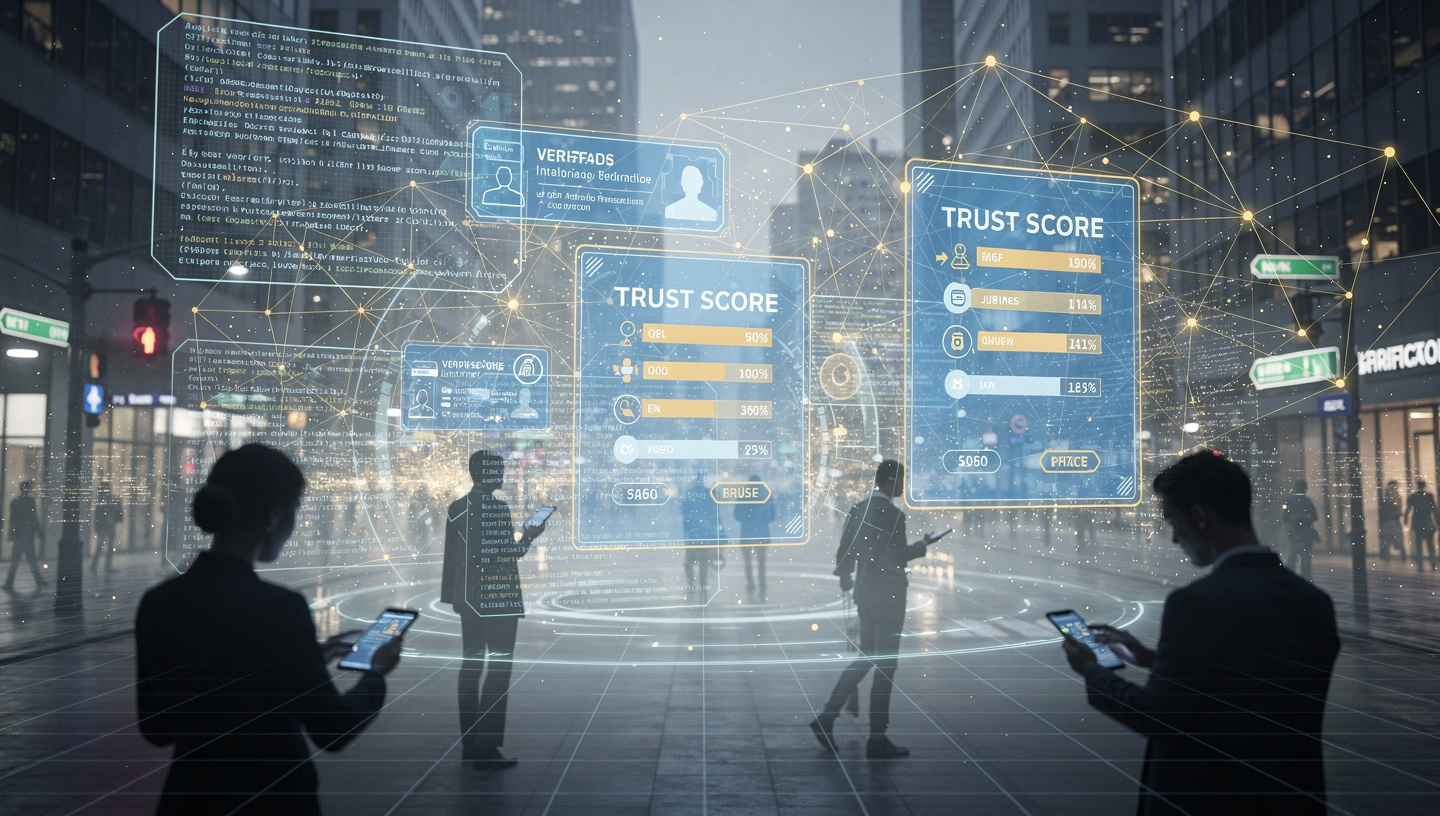
The Failure of the "Trust Score":
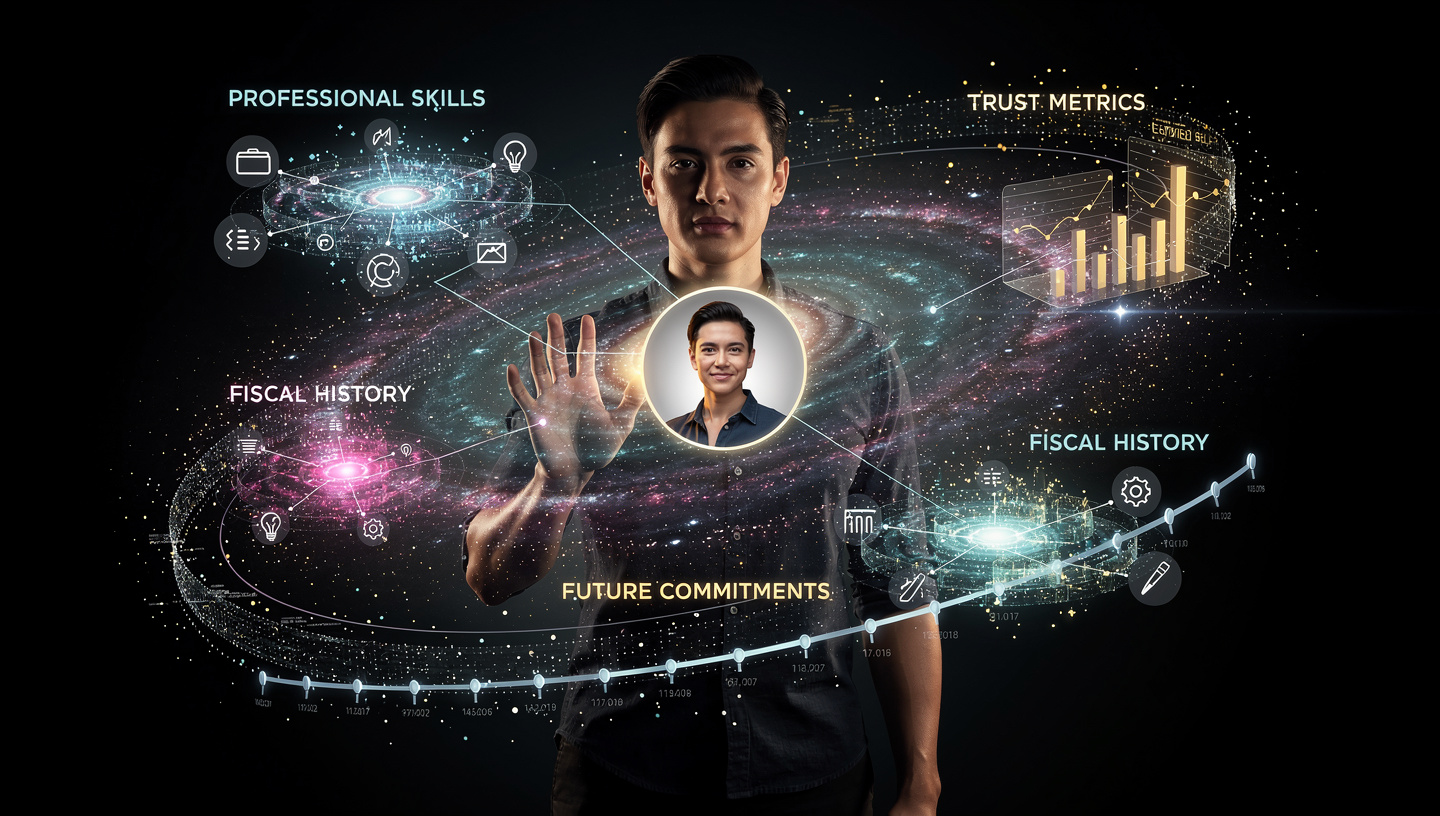
A single number is a tyranny. It collapses complexity into a dangerous oversimplification. Our system outputs a Trust Matrix, a living document showing trustworthiness across different dimensions, punctuality, skill, communication, problem-solving for different relationship types (client, partner, emergency contact).
Trust Bankruptcy & The Right to Be Forgotten:
If trust is an asset, it can also be bankrupt. Our system allows for strategic, verifiable "trust resets." A provider can petition to archive a failed venture in one domain (e.g., a collapsed catering business) while preserving capital in another (their excellent cooking skills). This mirrors human forgiveness and learning, absent from today's permanent, punitive digital records.
The Business Model Inversion:
Platforms typically monetize the transaction. We monetize the certainty premium. Users don't pay for matching, they pay for the depth and verifiability of the trust infrastructure surrounding a match. The cost scales with the risk being mitigated. Verifying a dog walker costs less than verifying the coordinator of a $500k international project, and the trust architecture for each is fundamentally different.
"Trust Tokens" and Portability:
The endgame is a user-owned, platform-agnostic trust identity. Imagine a cryptographic token that doesn't say "I have 5 stars," but contains verifiable, permissioned claims: "Completed 47 plumbing jobs with 0 safety incidents, as attested by 47 different clients." This portable trust capital breaks platform lock-in and creates a true economy of reputation.
The Ethical Imperative:
Engineering trust demands unprecedented responsibility. We govern our trust graph with principles:
- Transparency in Modeling: Users see how their trust score is calculated.
- Appeal & Arbitration: Disputes are resolved by juries of peers, not opaque algorithms.
- Anti-Gaming as Core Function: Our best AI doesn't match people; it detects and dismantles sophisticated collusion and reputation fraud.
Products are commodified. Features are copied. The trust layer connecting humans in a complex world, that is the ultimate moat. We are not a service platform with a trust system. We are a trust engineering firm that manifests its work through a coordination platform. In the next decade, the most valuable company in the world won't sell you a device, a service, or a subscription. It will sell you verifiable certainty in your human connections. That is the product we are building.



Be the first to leave a comment.