
The pandemic created a paradox of work: millions of urgent "crisis jobs" appeared overnight, only to vanish just as quickly, discarding hard-won skills and deepening insecurity.
We treated a contact tracer or a vaccine logistics officer as a temporary widget, not a lasting asset. This is economic madness. Bseech enables a different model: the Continuum of Care Economy, where every crisis is not an interruption, but an investment in a permanent, upgradeable human capability network. We transform emergency roles into the foundational nodes of a society that cares for itself, not just in pandemic years, but in all years.
Skill Stacking the Pandemic Responder
Consider a "Community Health Liaison" hired during COVID-19. On a spreadsheet, they are a cost. On Bseech's Unified Self, they are an accumulating portfolio: verified skills in community trust-building, health data collection, crisis communication, and multilingual support. The platform's logic of Skill Stacking allows this worker to see their own value not as a single, temporary role, but as a combinatorial professional. Post-crisis, they can stack these verified pandemic skills with a micro-credential in "Mental Health First Aid" or "Digital Literacy Tutoring", pivoting seamlessly into a new, socially vital role in the "Care Economy". The crisis job becomes a capability launchpad.
The Retainer-Based Social Safety Net
The gig economy's greatest cruelty is uncertainty. The Care Economy, powered by Bseech, runs on Strategic Retainers. A consortium of public health departments, schools, and elder-care networks could collectively retain a pool of these "Community Liaisons" for 20 hours a week each, guaranteeing a base income. This retainer isn't for a single task, but for a domain of readiness: "community health and connection." They become a stable, on-call social resource for routine vaccinations, seasonal flu outreach, and disaster preparedness, their income secure between major crises. The platform manages the multi-party contracts and payments, making this public-good employment feasible.
The Global Citizen's Ledger: Portable Benefits for a Portfolio Life
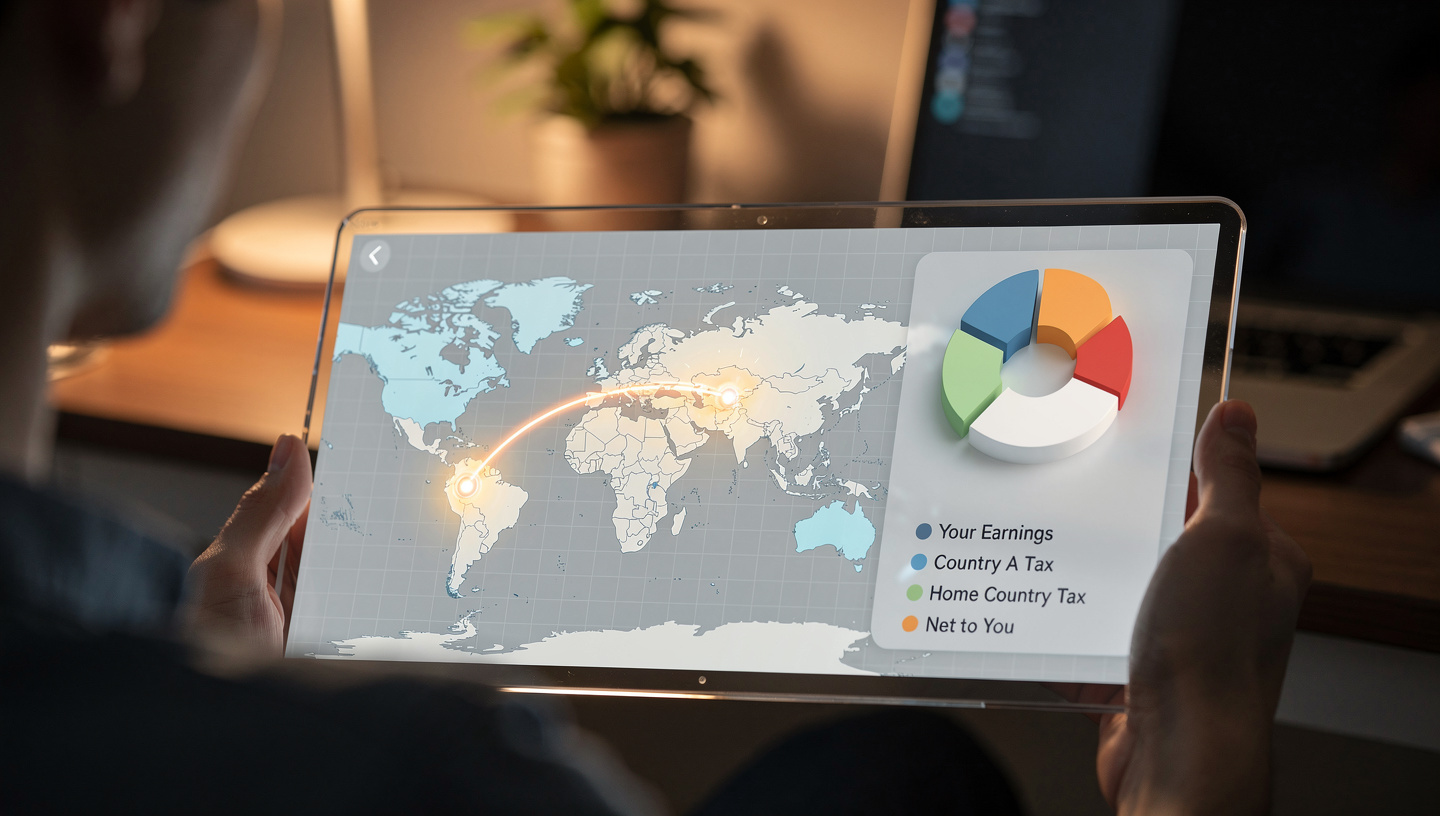
The fractured link between gig work and social benefits (healthcare, pensions) broke during the pandemic. Bseech's Global Citizen's Ledger rewires this. As a worker moves from a pandemic contact tracing project (paid by the city) to a retainer with a school district to a standalone project training seniors on telehealth apps, the Ledger automatically calculates and reserves contributions for portable benefit plans. The worker owns a single, continuous benefits stream that mirrors their blended income. The state and employers pay into the individual's sovereignty, not into fragmented, institution-locked silos.
From Redundancy to Resilience: The Human Capacity Buffer
Traditional economics sees idle labor as inefficient. Resilience economics, enabled by Bseech, sees a verified, on-network capacity buffer as our greatest strategic asset. The platform allows us to map and maintain a standing "reserve" of skills, not unemployed, but engaged in lower-intensity retainers, training, and community projects. When a shock hits, we don't scramble to hire and train, we ramp up. We increase the hours on existing care economy retainers and dynamically form new crisis archipelagos from pre-known, pre-trusted individuals. The cost of this buffer is far less than the cost of collapse.
The New Economic Calculus: Valuing Care as Infrastructure
This model forces a new calculus. It asks cities and nations to invest not in temporary disaster relief contracts, but in the permanent human infrastructure of care. The ROI is measured in response speed, social cohesion, and the prevention of cascading economic collapse. A platform like Bseech makes this investable by providing the verification, coordination, and financial infrastructure to manage it at scale.
We are done with the boom-and-bust cycle of crisis labor. We are building an economy where the skills learned in our darkest hours become the durable, valued, and sustainably compensated foundation of our daily well-being. The continuum has no end, it is the circle of a society that learns, cares, and endures.

Be the first to leave a comment.